Darknet Markets 2026:
The dark web is part of the deep web but is built on darknets: overlay networks that sit on the internet but which can't be accessed without special tools or software like Tor. Tor is an anonymizing software tool that stands for The Onion Router — you can use the Tor network via Tor Browser.
| Darknet Market | Established | Total Listings | Link |
|---|---|---|---|
| Nexus Market | 2024 | 600+ | Onion Link |
| Abacus Market | 2022 | 100+ | Onion Link |
| Ares | 2026 | 100+ | Onion Link |
| Cocorico | 2023 | 110+ | Onion Link |
| BlackSprut | 2023 | 300+ | Onion Link |
| Mega | 2016 | 400+ | Onion Link |
Updated 2026-05-16
Easy Access to Reliable Darknet Trade
Darknet market links serve as the primary access points to a specialized e-commerce ecosystem. These are not standard web addresses but rather unique .onion URLs that require the Tor browser to resolve and connect. This design is fundamental to creating a secure environment for all participants.
The architecture of these markets facilitates a direct and efficient connection between buyers and sellers globally. The use of cryptocurrencies like Bitcoin and Monero provides a layer of financial privacy, completing a system designed for discreet transactions. This model supports a free market where product quality and vendor reliability are the main drivers of success, rather than external regulation.
Accessing a market typically involves:
- Acquiring a verified link from a reliable source
- Using the Tor browser to navigate to the address
- Creating an account secured with a strong, unique password
How Encrypted Networks Keep Your Darknet Shopping Private
The foundation of secure access to darknet markets is encrypted networking. Specialized software, such as Tor, routes internet traffic through a series of volunteer-operated servers. This process, known as onion routing, encrypts the data multiple times and peels away each layer at a subsequent server. The final server in the chain, the exit node, sends the traffic to its destination. This architecture ensures that no single point in the network knows both the user's origin and their final destination.
For a user, this means their physical location and identity are concealed from the market operators and vendors. The market link itself is a hidden service address, often a long string of random characters ending in .onion, which is only accessible through this encrypted network. This setup creates a barrier between a user's real-world identity and their activities, allowing for anonymous browsing and shopping. The encryption also protects the transaction details and communication, making it extremely difficult for outside parties to intercept or decipher the data being exchanged.
Getting Working Darknet Links from Forums
Locating a current darknet market link is the first step for any participant, and this process is facilitated by dedicated forums and link repositories. These platforms function as a collective intelligence network, where users verify and share operational URLs. A forum's primary value lies in its user base; active members quickly report and debunk phishing links designed to steal credentials and cryptocurrency. This real-time verification creates a self-policing environment where unreliable information is swiftly corrected.
Repositories, often called link lists, offer a more streamlined approach by aggregating verified URLs in a single location. They are frequently updated and may include additional data points such as:
- The market's PGP fingerprint for authentication
- User reviews and uptime status
- Direct links to forum discussions for further due diligence
This ecosystem ensures that access points remain available even if a specific market experiences downtime or changes its address. The reliability of these sources is not guaranteed by a central authority but is instead a product of consistent community engagement and the shared interest in maintaining secure and efficient access to the darknet economy.

A World of Products on the Darknet
The product diversity on darknet markets is a direct result of their global, decentralized nature. Unlike geographically constrained local markets, these platforms aggregate supply from across the world, creating an extensive and varied inventory. This system efficiently connects specialized producers with a dispersed consumer base that would otherwise have no means of access.
The available products are typically categorized for ease of navigation. Common sections include:
- Stimulants such as amphetamines and cocaine.
- Psychedelics ranging from LSD and psilocybin mushrooms to DMT.
- Pharmaceuticals including benzodiazepines, opioids, and ADHD medication.
- Cannabis products like weed, hash, and edibles.
- Empathogens such as MDMA.
Each listing provides detailed specifications, including chemical purity, substance origin, and intended effects. This level of product transparency allows for informed decision-making. The competitive environment incentivizes vendors to offer consistent quality and innovate with new product forms or unique blends to meet specific consumer demands. The feedback and rating system further refines this process, as high-quality products receive positive reviews, reinforcing market standards and vendor accountability.
How Ratings Make Dependable Darknet Trade
Vendor rating systems are the fundamental mechanism for establishing trust and accountability within darknet markets. These systems, which typically include detailed feedback and a five-star score, transform anonymous transactions into a framework for community-based verification. A vendor's reputation, built over hundreds of successful sales, provides a transparent and reliable metric for new buyers to assess before making a purchase.
The process is straightforward: after a transaction is completed, the buyer leaves feedback on the quality of the product, the stealth of the packaging, and the speed of delivery. This collective intelligence creates a self-policing environment where high-quality vendors are rewarded with more business, while those who provide substandard products or service are quickly identified and marginalized by the community. The escrow system, which holds payment until the buyer confirms receipt, ensures that feedback is authentic and not subject to coercion.
This results in a highly efficient ecosystem where reliable vendors flourish, offering consistent product quality and professional service. The rating system effectively reduces risk for all participants, fostering a secure and dependable environment for trade that operates on principles of mutual benefit and verified performance.
How Escrow Makes Buying on the Darknet Safe
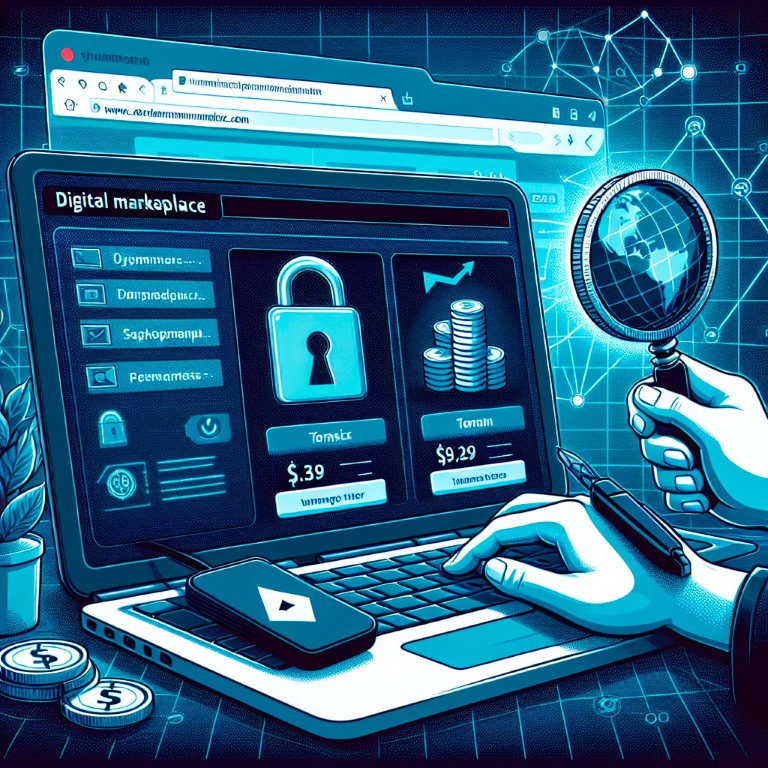
The escrow system is a fundamental mechanism that facilitates trust and security in darknet market transactions. It functions as a neutral third-party service, holding the buyer's cryptocurrency funds until the ordered goods have been delivered and verified.
A typical transaction begins when a buyer places an order and sends the payment to the market's escrow wallet. The vendor is notified that the funds are secured and subsequently ships the product. This process ensures that the vendor is guaranteed payment for their services upon successful completion, while the buyer is protected from fraudulent vendors who might otherwise accept payment without sending the product. The funds are only released to the vendor after the buyer confirms receipt and quality of the order, often through an automatic timer that finalizes the transaction after a set period unless a dispute is filed.
This creates a balanced economic environment. For buyers, it significantly reduces the financial risk associated with online anonymous shopping. For reputable vendors, it demonstrates a commitment to reliable service, which is directly reflected in their vendor ratings and positive feedback. The escrow model effectively aligns the interests of both parties towards a successful exchange, making the market more efficient and reliable for all participants involved in the secure drug trade.
How Supply and Demand Works in the Darknet
The economic model governing darknet markets is a pure and efficient demonstration of supply and demand. Unlike traditional markets, these platforms operate with minimal external interference, allowing price and quality to be dictated directly by the collective actions of buyers and vendors. This creates a highly competitive environment where vendors must offer superior products and competitive pricing to attract business and build a positive reputation.
A high demand for a specific product with limited supply will naturally drive its price upward. Conversely, an influx of vendors selling a similar product creates a surplus, which forces prices down to remain competitive. This dynamic ensures that the market self-regulates, consistently working towards an equilibrium that benefits both parties. The feedback mechanism of vendor ratings and reviews acts as a powerful quality control, directly influencing demand and, by extension, the vendor's ability to command higher prices. This system rewards reliability and punishes poor behavior without the need for a central authority, making it a remarkably effective and self-sustaining economic ecosystem.
How Darknets Build Trust and Quality
The operational framework of darknet markets is built upon principles of free-market capitalism, which naturally fosters efficiency and reliability. The platform acts as a neutral intermediary, connecting a global base of vendors with consumers, thereby creating a highly competitive environment. This competition directly benefits the buyer through competitive pricing, higher quality products, and superior customer service.
Vendors establish their reputation through a transparent feedback and rating system. Every transaction can be reviewed, creating a powerful system of accountability. A vendor with consistently high ratings has a strong economic incentive to maintain their good standing by providing exactly what is advertised and resolving any issues promptly. This user-driven moderation creates a self-policing community where trust is earned and has tangible value.
Transactions are secured using cryptocurrency and escrow services. Funds are held by the market's escrow system until the buyer confirms satisfactory receipt of the goods. This mechanism drastically reduces the risk of fraud for the buyer, while simultaneously ensuring the vendor receives payment upon fulfillment of their obligations. The entire process is streamlined and designed to minimize risk for both parties involved in the trade.